Sometimes what seems like a malfunction in your anti‑fog LED bathroom mirror cabinet is actually a result of how it was installed. From power mismatches to smart features not responding, many issues happen at the intersection of installation and use, not manufacturing. Here’s a deeper guide to help you resolve installation-related faults and prevent misjudgments that lead to unnecessary repairs.
1. Incorrect Power Supply — Check for Compatible Power Supply Unit (PSU)
LED mirror cabinets may fail to light or flicker if connected to the wrong power source. Many models require a regulated PSU matching their voltage and wattage specs. Using an incompatible supply can damage components over time. Always verify the PSU rating before installation, especially when handling mirrors with multi-function smart mirror technology.
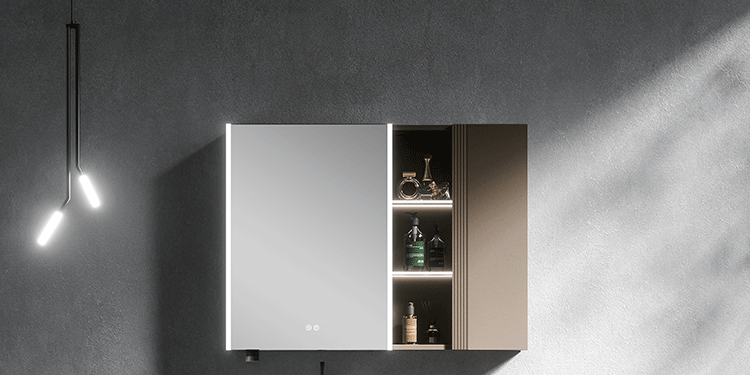
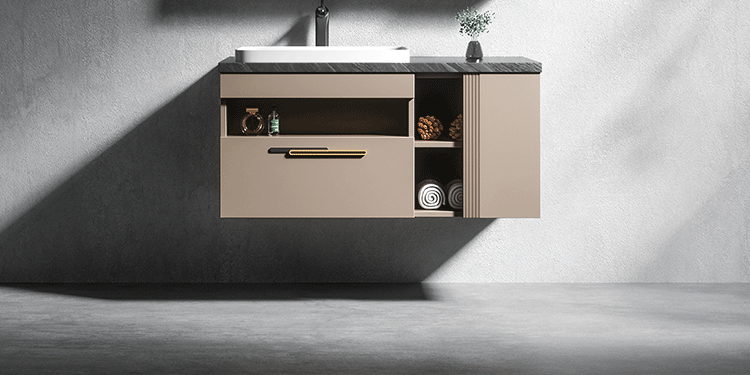
2. Poor Sensor Responsiveness from Locked Defaults — Adjust Adjustable Sensor Settings
Motion or touch sensors may be disabled or set too conservatively out of the box. Mirror units with adjustable sensor settings allow you to tweak sensitivity, activation delay, and detection zones. A quick adjustment can transform inconsistent behavior into seamless, hands-free functionality.
3. Smart Features Disruption from Firmware Glitches
Smart mirrors with features like Bluetooth, clock displays, or lighting memory run on firmware. If features freeze or become erratic, it often results from corrupt firmware or interrupted updates. Resetting the mirror or restoring factory defaults usually revives the firmware-responsive lighting system. Always refer to brand-specific instructions when doing so.
4. Module Compatibility — Ensure Standardization of Replacement Parts
Some budget models employ unique LED boards or defogger modules that are no longer stocked. Switch to mirrors that follow standardized LED panel architecture or widely used controllers, which ensures easier maintenance and availability of replacement parts.
5. Insecure Sealing—Watch Out for Water Ingress
If installed without proper moisture protection—especially around power inlets—water can corrode internal wiring despite waterproof electrical seals. Reseal joints using silicone or replace degraded seals to prevent fogging, flicker, or power loss in bathroom environments.
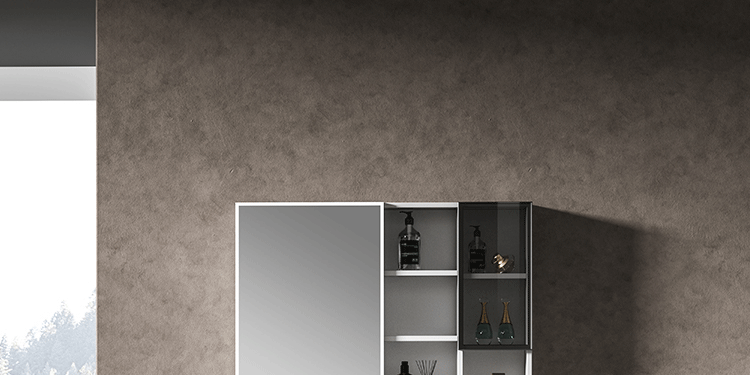
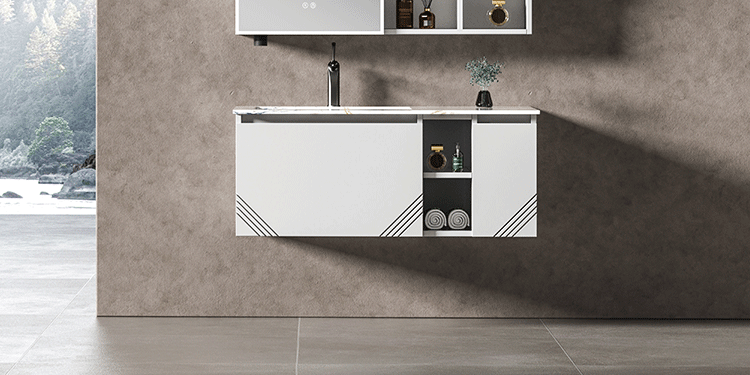
6. Misinterpreting Mirror Glare as Fault
Sometimes glare from external lighting or reflective surfaces is mistaken for LED failure. Position lighting away from metal frames and verify glass sealing before attempting electrical troubleshooting. Ensuring optimal ambient lighting alignment keeps the multi-function smart mirror technology working as intended.
7. Misaligned Smart Sensors on Installation
Motion sensors or touchpads may misbehave if mirrors are installed too close to walls or with misaligned control panels. Ensure at least a few inches of clearance and align sensor zones to reflect movement properly. If necessary, recalibrate using onboard software. Clean sensors regularly to remove dust and steam that confuse detection.
8. Installing Without Reading the Manual
A surprising number of issues stem from skipping the manual. Mirrors with features like adjustable sensors, defoggers, or smart displays often include configuration tips or test modes—consulting documentation helps avoid unnecessary disassembly and ensures correct setup from day one.
Conclusion
Many issues with anti‑fog LED bathroom mirror cabinets can be traced to installation missteps—such as mismatched power supplies, sensor quirks, or moisture sealing errors. A little care during setup, proper calibration, and brand-specific guidance go a long way toward avoiding misdiagnosed “breakdowns.” When smart features behave erratically, don’t default to replacement—often, it's just a tweak away from being fully functional again.
READ MORE:






