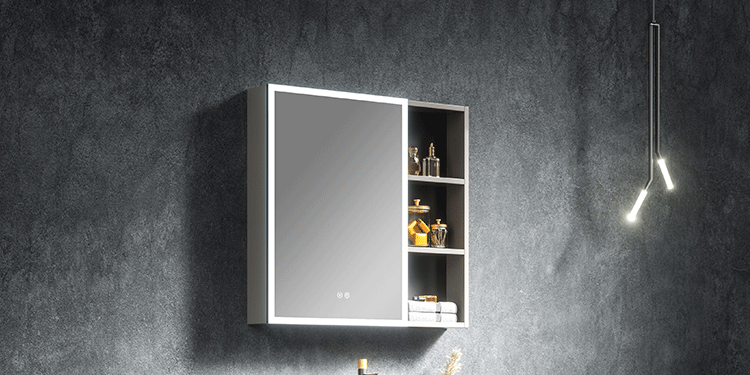
Investing in an anti‑fog LED bathroom mirror cabinet brings superior functionality and sleek design—but what happens when it needs fixing? Understanding how to diagnose and handle common issues makes the difference between quick, affordable repairs and frustrating delays. This guide offers a comprehensive look at repair strategies, DIY tips, and when to call in professionals.
1. Power Troubles? Check the Easy‑Access Driver Compartment First
When your mirror doesn’t light up, a good first step is to locate the easy-access driver compartment—most modern units include a dedicated panel for servicing the LED driver. Start by confirming power availability and tight electrical connections. Flickering or failure to power may point to a driver issue, easily resolvable by replacing that module alone, without disturbing the rest of the mirror.
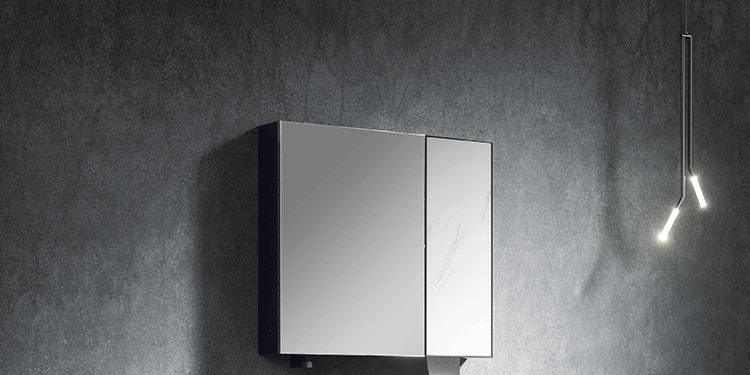
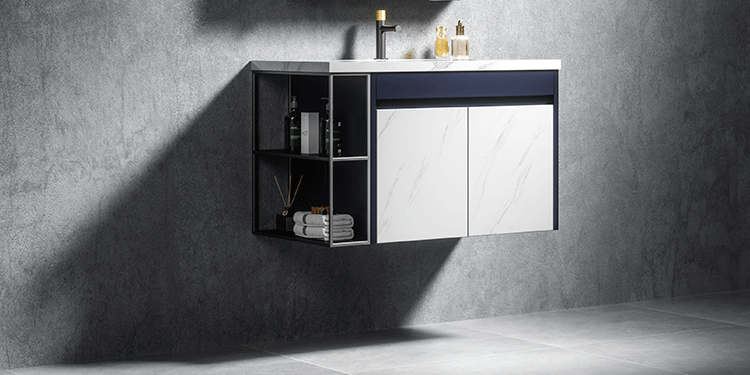
2. Burning Out Too Quickly: Faulty LED Panels vs. Dirt
LEDs should last for years, but if colors fade early or spots flicker out, the standardized LED panel might need replacement. Since many models maintain compatibility with off-the-shelf strips, you can likely source replacements without waiting for specific parts. However, always inspect and clean gently—sometimes, dimming is caused by moisture or residue buildup obstructing the lighting elements.
3. Fogging Fails? Troubleshoot the Modular Anti‑Fog Heating System
If the mirror fogs up, the heating element likely lost power or adhesion. The modular anti-fog heating system—usually a slim pad behind the glass—can often be accessed and replaced via a back panel. Carefully follow the manufacturer’s guide, ensuring adhesive areas are clean and self-heating components remain dry.
4. Non-Responsive Controls: Think Sensor Calibration First
Touch or motion-sensitive controls can glitch, but you don’t always need a full component swap. Try resetting the cabinet by power cycling, then retest sensor response. Many systems include a recalibration mode inside the housing, making this a low-effort fix before replacing sensor hardware.
5. Water Damage? Moisture-Proof Design Helps Maintenance
Even with IP-rated design, water can seep in. If internal fogging or residue appears, remove the outer frame, dry thoroughly, and clean components. Re-apply silicone sealant if needed. Thanks to maintenance-friendly enclosures, this repair is manageable without disrupting electrical systems.
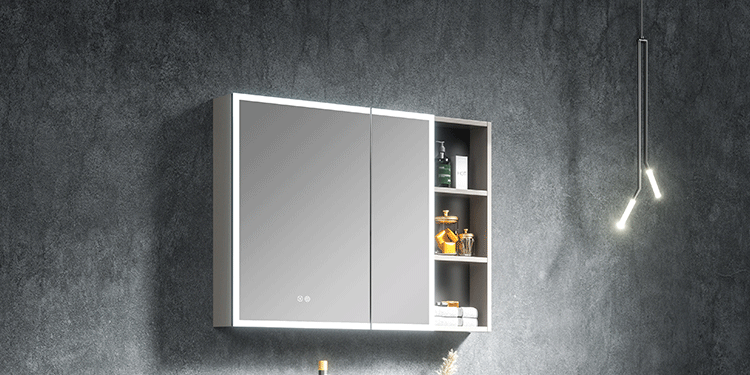
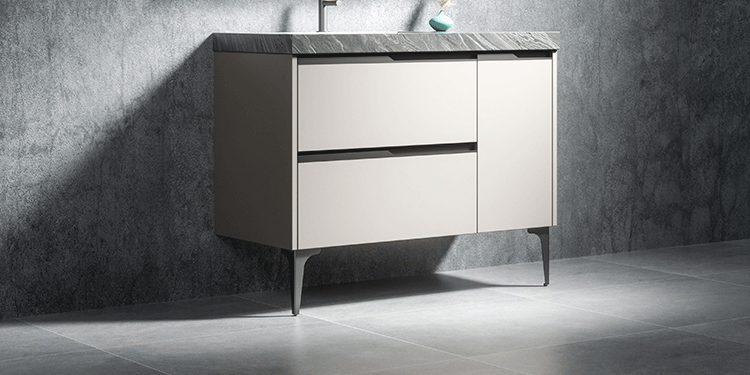
6. When Professional Help Is Warranted
If fault isolations like power issues, deep wiring faults, or glass damage arise, consult a licensed electrician. Attempting complex electrical repairs without proper training can be dangerous—especially when waterproof electrical seals are compromised. In such cases, professional inspection is your safest bet.
7. Brand Support & Replacement Part Availability Varies
Not all brands offer the same access or parts. Some premium models provide 24/7 video guides or replacement part kits, while budget options may require supplier intervention. When researching reflect-friendly mirror cabinets, consider brands that emphasize modular design and parts availability up-front.
8. Preventative Care Reduces Repair Frequency
Routine maintenance—wiping the mirror surface with a microfiber cloth, avoiding harsh cleaning agents, and ensuring proper ventilation—can prolong the life of the anti-fog system and LED components. Also, inspecting seals quarterly helps catch potential issues before they evolve.
Conclusion
Repairing an anti‑fog LED bathroom mirror cabinet doesn’t have to be daunting. You can often troubleshoot yourself using the easy-access driver compartment, replace a standardized LED panel, or fix the modular anti-fog heating system without professional help. Sensor glitches or minor moisture issues are typically manageable—saving you time and cost. When things get complex, knowledge of your cabinet’s maintenance friendliness and brand support makes all the difference in ensuring long-lasting performance.
READ MORE:






